

Negative Thinking Traps: How to help teens
Every day we have tens of thousands of thoughts. According to some studies, up to 80% of them are negative (and 95% of those are repetitive from the day before). So, if you have negative thoughts, you're perfectly normal. But what impact do negative thinking traps have on the mental health and wellbeing of teenagers?

Suicide Prevention in Teens: What parents need to know
Parenting teenagers is a journey filled with challenges, especially when it comes to emotional well-being and mental health. Teen suicide prevention is an incredibly delicate but important subject, and something that should be given the same care and attention as any other safety or health issue.
This week, we were joined by Dick Moore, an experienced educator and advocate for youth mental health, to talk about the signs to look out for and what parents and schools can do if they believe a teenager needs help.

Supporting Teens who Self-Harm
Self-harm among teenagers is a topic that often remains shrouded in silence, yet it’s something that affects a significant number of young people and their families. It’s thought that a startling 10 to 20% of teens in the UK engage in some form of self-harm; a figure that has dramatically increased since the pandemic. Awareness and understanding of the issue is crucial to ensure teens and parents can get the help they need.

Getting Help for Teen Gaming Addiction
For most teens, gaming can be a healthy activity encouraging connection, cognitive skills, creativity and teamwork. However, for a small percentage of young people, gaming can evolve into a compulsive behaviour that significantly disrupts quality of life and mental health.
In this week’s session, we were joined by Dr. Rebecca Lockwood, a consultant Clinical Psychologist from the National Centre for Gaming Disorders to talk about the challenging side of gaming and to offer some insight and advice for families concerned about potential gaming-related issues with their teens.
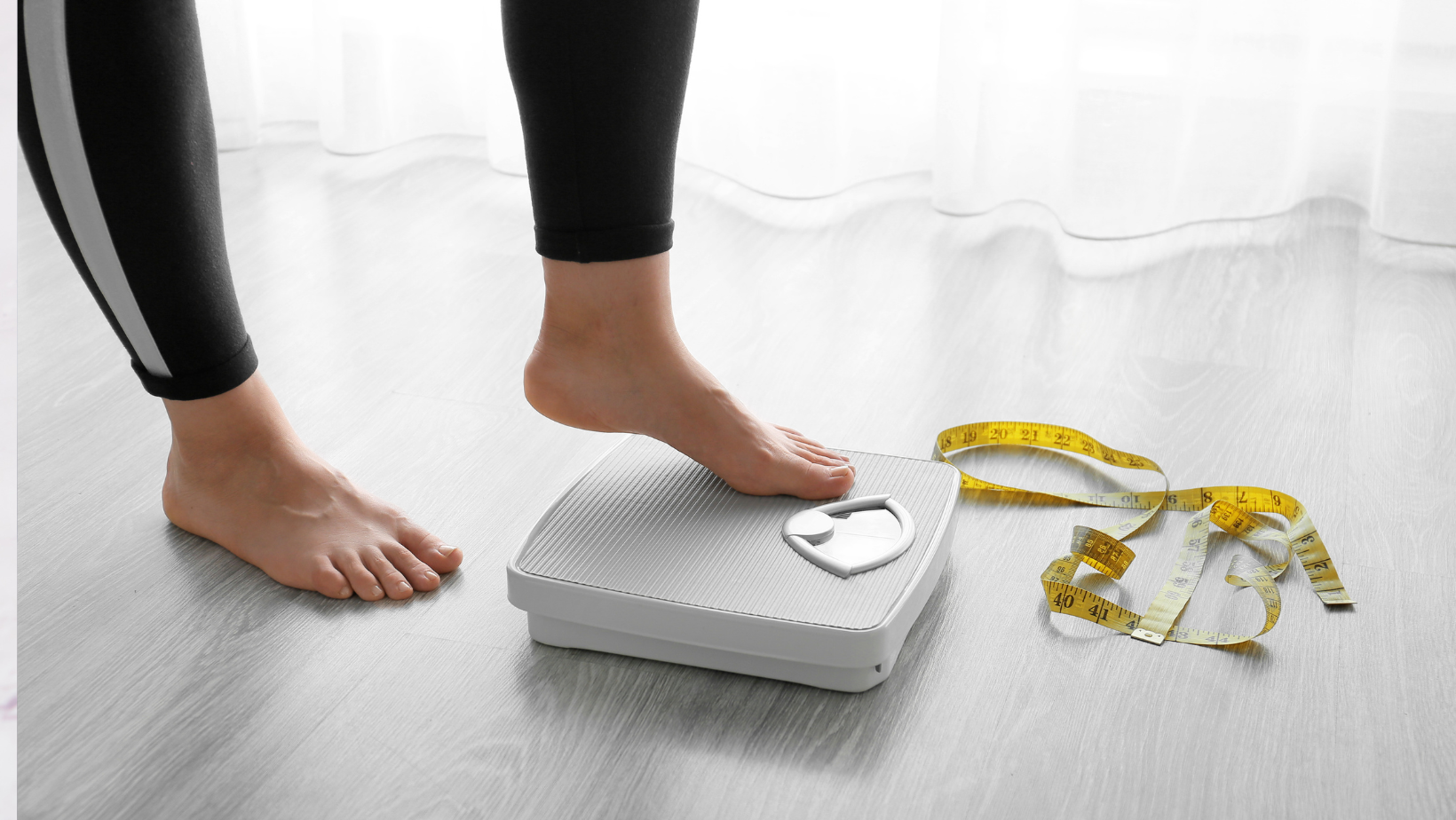
Eating Disorders: Spotting the Signs in Teens
According to NHS England’s Mental Health of Children and Young People survey 2023, 2.6% of 11-16 year olds and 12.5% of 17-18 year olds in England are living with an eating disorder. And the numbers seem to be rising.
Like with all mental health conditions, we know that early intervention is key. But how do you know if your teen is struggling with an eating disorder?

Is Technology Harming Our Teens?
Teenagers today are growing up in a world where technology is deeply embedded in their daily lives. According to a recent Ofcom report, by the age of 12, 97% of children already have their own mobile phone and by the age of 15, teens are spending an average of 7.5 hours per day looking at screens. New Government guidance announced this week backs headteachers in prohibiting the use of mobile phones throughout the school day due to classroom disruption and an increase in online bullying.

Tackling Low Self-Esteem in Teens
Adolescence is a pivotal time for developing self-esteem, yet it's also when many teens struggle with self-doubt and harsh self-criticism. Social Media, TV, gaming and music are just some of the mediums that present an image or message about what young people feel they should be and should look like. And so it’s no wonder that a third to a half of adolescents struggle with low self-esteem, with research showing that 61% of 10-17 year old girls in the UK have low self-esteem.
On Monday, we talked to Dr Gemma Allison, Clinical Psychologist, about what to look out for if a teen has low self-esteem and what parents, carers and schools can do to help them.

Dr Sarah-Jane Knight’s Top Tips to Connect with Teens
Here at Let’s all Talk Mental Health, we know how important it is to talk. But we also know how difficult having those important conversations with teens can be.
To mark #TimeToTalkDay and ahead of Children’s Mental Health Week next week, our brilliant resident Clinical Psychologist, Dr Sarah-Jane Knight, has shared some of her top tips on starting a conversation with young people (and also some advice on what not to say).

Building the Foundations for Mentally Healthy Minds
Whoever said that raising teens was easy? There are so many changes during adolescence when there are significant brain developments, teens exploring their identity, seeking independence outside the family unit, all the while experiencing intense emotions. Supporting them to have a healthy mindset is fundamental to their mental health and help builds their resilience so they are able to cope with all of life's experiences and learn to flourish.
On Monday, we were joined by Consultant Clinical Psychologist, Dr Bettina Hohnen, to talk about the building blocks of a healthy mind, how to make sure teens feel psychologically safe, listened to, respected and supported,

Supporting teens through family and relationship difficulties
Family breakdowns are difficult, particularly when children or teenagers are caught in the midst. Teens are on the cusp of adulthood, seeking independence while still relying on a stable, familiar base. The separation of parents can leave teens feeling like the foundation has crumbled, and that everything they once knew is altered. Providing them with stability and reassurance through these times is paramount.
In yesterday’s Let’s all Talk Mental Health session, we were joined by Esther Ususkin Cohen, Consultant Systemic/Family Psychotherapist, to talk about the impact of family difficulties on teens.

Low Mood & Depression: getting help
Navigating the emotional landscape of our teenagers can be a challenge. The line between typical teenage moodiness and something more serious, like depression, can be blurry and it’s not always easy to know when your teen might need extra help and support.
In last night’s Let’s all Talk Mental Health session, our resident Clinical Psychologist, Dr Sarah-Jane Knight, helped us understand the difference between the two conditions, how to recognise if your teen is struggling with their mood and shared some practical tips on how to get teens talking and the best ways to support them.